Dog Breeds
Browse 26 dog breed profiles, filter by size, energy and shedding, and compare dogs before you commit to a lifetime together.
Browse Dog Breeds
Popular Breeds
These profiles cover a range of sizes, temperaments and histories. Each one goes beyond surface-level facts to explain what living with the breed actually involves.

Labrador Retriever
Friendly, outgoing, active
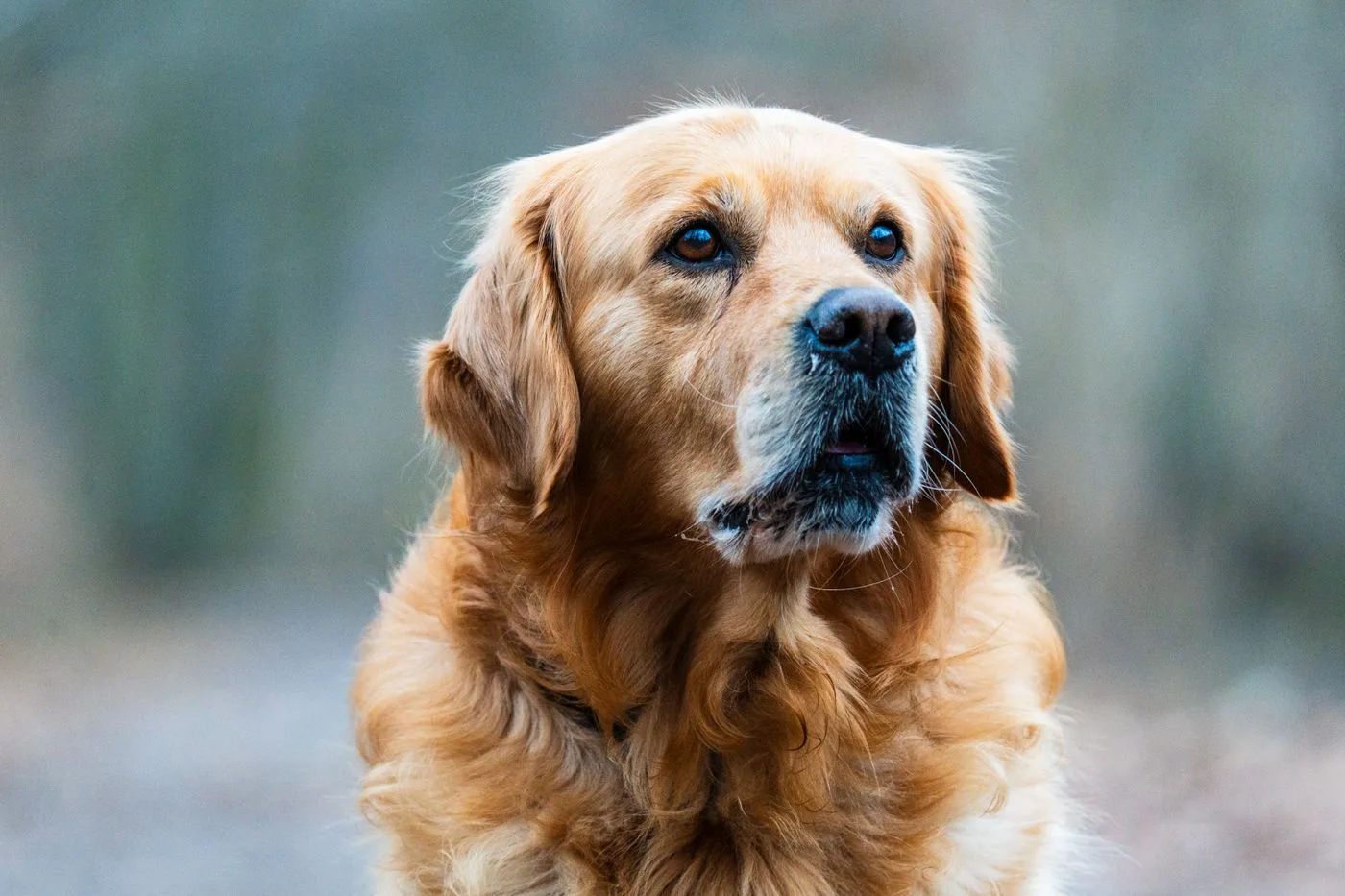
Golden Retriever
Friendly, social, active and highly people-oriented. Eager to please but needs consistent training…
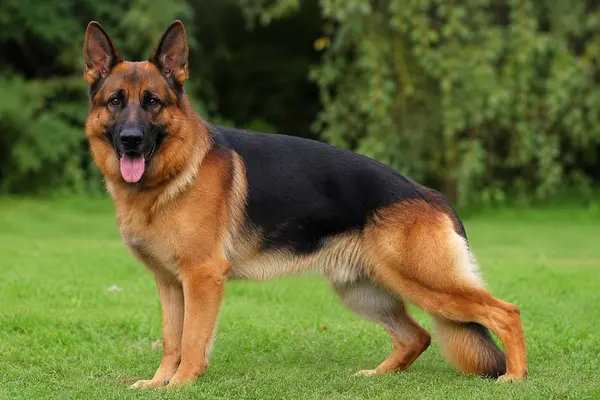
German Shepherd
Alert, confident, intelligent, reserved with strangers
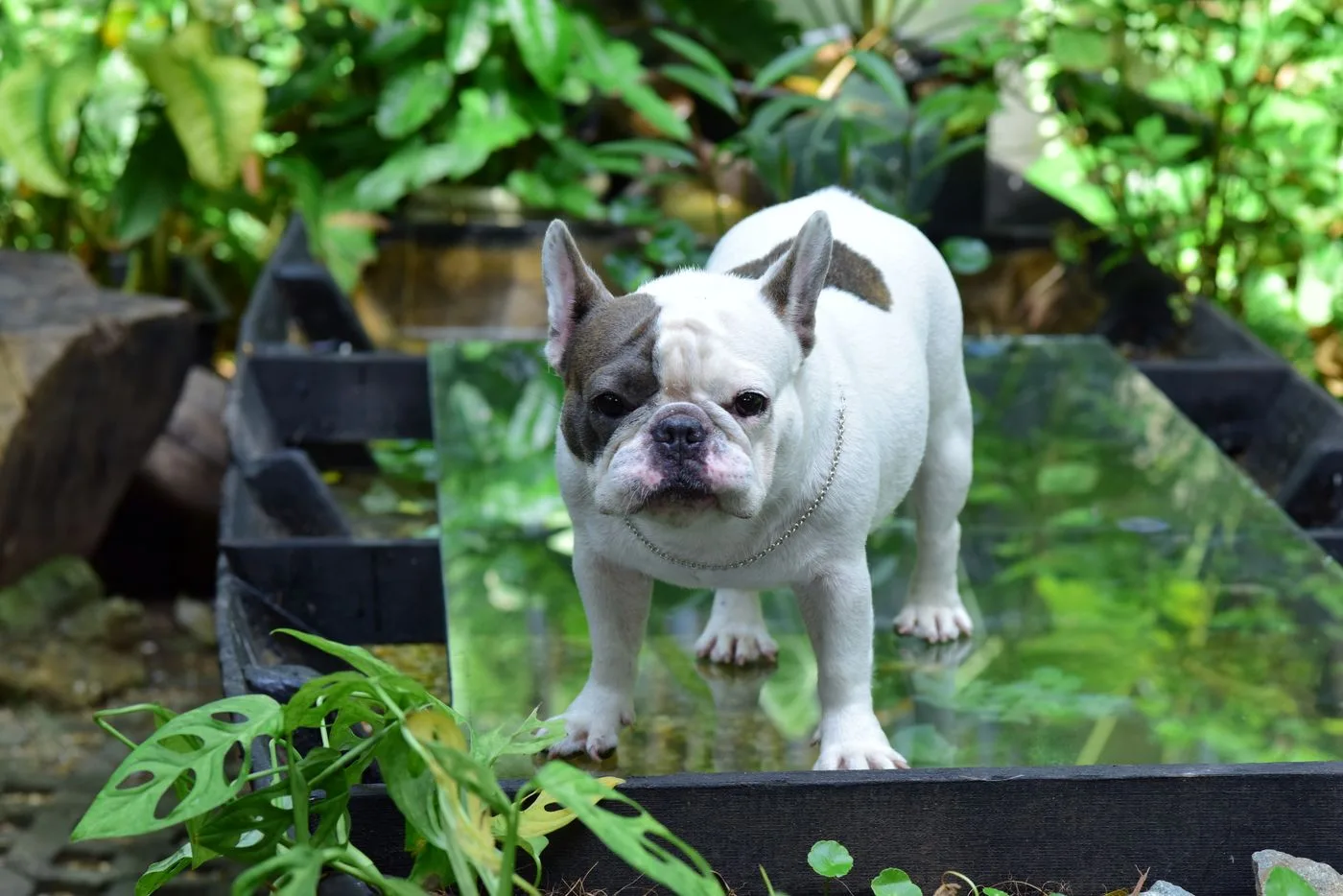
French Bulldog
Playful, alert, adaptable, stubborn
Doberman Pinscher
Alert, loyal, intelligent, watchful
Border Collie
Intelligent, alert, responsive, driven
All Dog Breeds
Browse the complete directory below. Search by name or filter by size, energy level and shedding to narrow the list.
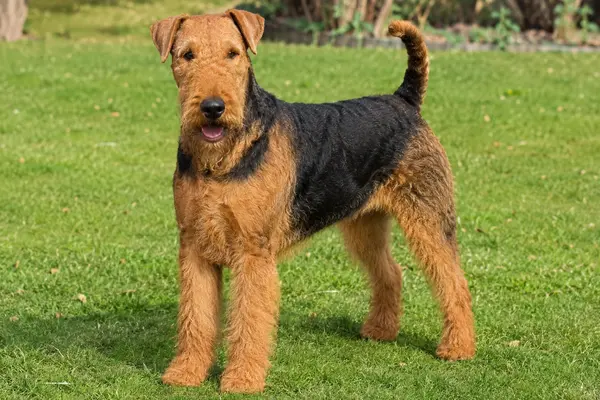
Airedale Terrier
Playful, independent, alert, confident
Akita
Dignified, loyal, independent, watchful
Alaskan Malamute
Friendly, powerful, independent, endurance-driven
American Leopard Hound
Spot a speckled, powerful dog racing through the woods, all muscle and determina…
American Pit Bull Terrier
People-oriented, athletic, tenacious, variable
Appenzeller Sennenhund
Energetic, alert, versatile, confident
Australian Kelpie
Alert, driven, independent, tireless
Basset Hound
Gentle, patient, stubborn, scent-driven

Boerboel
Confident, watchful, calm, protective
Border Collie
Intelligent, alert, responsive, driven
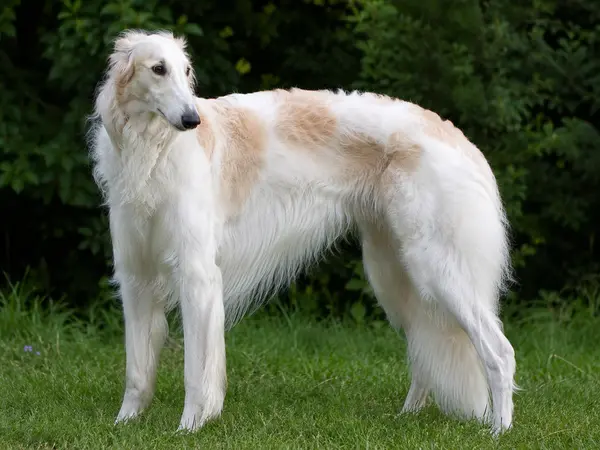
Borzoi
Sensitive, affectionate, independent, reserved
Bullmastiff
Quiet, watchful, loyal, powerful
Doberman Pinscher
Alert, loyal, intelligent, watchful
Dogo Argentino
The Dogo Argentino is a pack-hunting dog, bred for the pursuit of big-game such…
French Bulldog
Playful, alert, adaptable, stubborn
German Pinscher
Alert, curious, confident, energetic
German Shepherd
Alert, confident, intelligent, reserved with strangers
Golden Retriever
Friendly, social, active and highly people-oriented. Eager to please but needs c…
Greyhound
Gentle, independent, quiet, sensitive
Hanoverian Scenthound
The Hanoverian Scenthound (Hannoverscher Schweißhund) is a German breed of dog o…
Labrador Retriever
Friendly, outgoing, active
Mastiff
Calm, dignified, protective, steady
Norwegian Lundehund
From the rocky island of Værøy, off the coast of Arctic Norway, comes one of the…
Puli
Agile, alert, loyal, vocal
Romanian Mioritic Shepherd Dog
The Romanian Mioritic Shepherd Dog is a majestic livestock guardian bred in the…
Shiba Inu
The Shiba Inu is an ancient Japanese breed and the smallest of the six native sp…
How to Choose a Dog Breed
A breed profile helps you compare, but choosing well requires honest self-assessment alongside the research. Consider these factors before narrowing your list.
Be realistic about your daily routine
A dog's exercise and mental stimulation needs do not lower themselves to match your schedule. Look at how much structured time you can consistently offer each day, not just on your best weeks.
Match space to the breed, not the other way around
Small dogs are not automatically suited to apartments, and large dogs are not automatically suited to yards. What matters is how the breed's energy, noise level and attachment style fit the space you have.
Consider grooming honestly
Some coats look beautiful in photos but demand hours of weekly maintenance. Others shed more but require less professional grooming. Decide which tradeoff you prefer.
Think about the breed's original purpose
Herding breeds will try to control movement. Scent hounds follow their nose regardless of your recall training. Guarding breeds can be suspicious of strangers. These tendencies are hardwired, not training problems to fix.
Factor in lifetime commitment
Some breeds live 12 to 15 years or longer. A puppy is a daily presence in your life for over a decade. Breed choice should account for your stability, not just your current situation.
Use breed profiles as a starting point
Every individual dog varies within a breed. Profiles describe general tendencies, not guarantees. Meeting a specific dog and speaking with knowledgeable breeders or rescue organisations matters more than any single data point.
What Breed Profiles Explain
Each breed profile covers more than basic statistics. Here is what you will find when you open a breed page.
Origin and history
How the breed developed, what it was originally bred to do, and why that history still shapes its behaviour today.
Temperament in practice
Not just a list of adjectives, but how the breed typically behaves around strangers, children, other animals and in unfamiliar settings.
Exercise and mental needs
What kind and how much daily activity the breed generally requires, and what happens when those needs go unmet.
Training reality
How responsive the breed typically is to instruction, where it may be independent or stubborn, and what training approaches tend to work best.
Home suitability
Which living situations, family types and experience levels tend to suit the breed, and which combinations regularly create problems.
Ownership challenges
What prospective owners commonly underestimate about the breed, from grooming demands to behavioural tendencies that do not appear in promotional material.
Frequently Asked Questions About Dog Breeds
The FCI recognises over 370 breeds, the AKC registers around 200, and various national registries maintain their own lists. The number changes as new breeds gain full recognition. This directory covers 26 breeds currently published on Dogvella.
There is no single answer that fits every person. Breeds with moderate energy, consistent temperament and higher responsiveness to training tend to be more forgiving for new owners, but your living space, schedule and experience still matter. Reading individual breed profiles gives a more accurate picture than relying on general lists.
Not necessarily. Small breeds can have demanding exercise needs, strong barking tendencies or complex grooming requirements. Large dogs need more space and food but may have calmer temperaments. The right match depends on your specific circumstances rather than size alone.
Start with the trait that matters most to you, such as size or energy level, and then read individual profiles to see whether the breed's temperament, grooming needs and living requirements also fit. Filters narrow the list, but reading the full profile gives you the information needed for a good decision.
Activity level describes how much daily physical and mental stimulation a breed generally requires. Lower-activity breeds may be content with shorter walks and quiet time, while very-high-activity breeds often need extended runs, structured work or demanding training sessions to stay balanced.