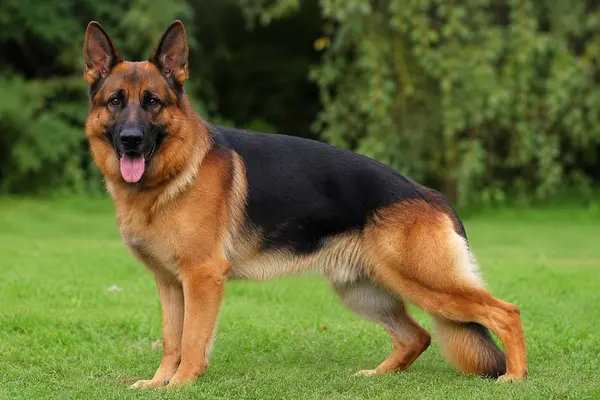
A Mountain Guardian from Romania
The Mioritic developed in the Carpathian Mountains of Romania, where shepherds needed a dog capable of protecting flocks from wolves, bears and other predators. Unlike herding dogs that move livestock, the Mioritic's job was to live with the flock, blend into the group and defend it against threats. This guardian role shaped the breed's temperament, size and instincts.
The breed takes its name from a Romanian pastoral poem, the Miorita, which tells the story of a shepherd and his destiny. For centuries, the Mioritic worked alongside Romanian shepherds in remote mountain pastures, often spending weeks at a time with the flock and minimal human direction.
Recognition by the Fédération Cynologique Internationale came in 2002, introducing the breed to a wider audience. In Romania, the Mioritic remains a respected working dog, though its role has shifted as traditional pastoral practices change.
A Commanding Physical Presence
The Mioritic is a large, substantial dog. Males typically stand over 26 inches at the shoulder and weigh between 100 and 130 pounds, with females somewhat smaller. The breed's long, dense coat gives it an even more imposing appearance, particularly around the head and neck where the fur forms a protective ruff.
This is not a breed that blends into the background. Its size alone commands attention, and its confident, unhurried movement reinforces the impression of a dog that knows its own strength. The Mioritic does not need to be aggressive to be protective. Its physical presence often does most of the work.
Calm Watchfulness
The Mioritic's temperament is defined by its guardian heritage. It is alert, watchful and deeply aware of its environment. The breed notices changes quickly and responds to perceived threats with a measured, deliberate approach rather than panicked barking or lunging.
With its family, the Mioritic tends to be affectionate and steady. It bonds strongly with the people it considers its flock and is generally patient and tolerant within the household. The breed is not demanding or hyperactive. It is content to lie nearby, observe and be present.
With strangers, the breed is reserved and watchful. This is not a social butterfly. The Mioritic assesses unfamiliar people and situations before deciding how to respond. Early and extensive socialisation helps the breed distinguish between normal visitors and genuine threats, but even well-socialised Mioritics maintain a degree of natural suspicion.
Territorial Instincts
The Mioritic was bred to guard territory and livestock. This territorial instinct does not switch off because the dog lives in a suburban home instead of a mountain pasture. The breed will guard its property, its family and its perceived territory with the same seriousness it would apply to a flock of sheep.
This means the Mioritic may be reactive to people and animals that enter or approach its territory. Walks in populated areas require careful management. The breed is not inherently aggressive, but it is inherently watchful and will respond to what it perceives as a threat to its people.
Off-leash exercise in unfenced areas is risky with this breed. The Mioritic's territorial range can expand well beyond what the owner considers reasonable, and the breed may act independently to investigate or address perceived intrusions.
Independent Working Style
Livestock guardians make decisions independently. They spend long periods away from direct handler supervision and must assess threats without being told what to do. The Mioritic inherited this independence thoroughly.
In practical terms, this means the breed does not take instruction the way a border collie or Labrador might. It listens, considers and then applies its own judgment. Training is possible and important, but it should be understood as establishing a framework rather than achieving instant obedience.
The Mioritic is intelligent and capable of learning quickly, but it learns on its own terms. Repetitive drills bore the breed. Training sessions that respect its intelligence and give it a reason to cooperate tend to produce better results than command-and-control approaches.
Exercise and Living Space
The Mioritic does not need the same type of exercise as a sporting or herding breed. It is not built for running alongside a bicycle or competing in agility courses. Its exercise needs are moderate: daily walks, room to move and some form of mental engagement.
The breed does best with space. A rural property with room to patrol suits the Mioritic far better than a small apartment or densely populated neighbourhood. The breed needs to feel that it has territory to guard and space to move within that territory.
Urban living is not impossible for the Mioritic, but it requires significant management, careful socialisation and an owner who understands the breed's territorial tendencies. Most Mioritics are not well-suited to apartment life or densely populated areas.
Training Considerations
Training a Mioritic requires patience, consistency and a clear understanding that you are working with a breed that has its own agenda. The breed responds to respect and fairness. It does not respond to harshness or intimidation.
Early socialisation is critical. The Mioritic needs broad, positive exposure to different people, animals and environments during its formative months. Without this, the breed's natural wariness can harden into problem behaviours that are difficult to reverse in adulthood.
The breed can be protective of its food and valued objects. Resource guarding training should begin early and be handled calmly. This is not a behavioural flaw in the breed. It is a natural expression of a guardian instinct that needs management, not elimination.
Coat Maintenance
The Mioritic's long, thick double coat requires regular grooming. Weekly brushing prevents matting and manages loose hair. During seasonal coat changes, more frequent grooming is necessary.
The coat is weather-resistant and self-cleaning to a degree, which made it practical for a breed that spent weeks outdoors. Bathing should be occasional. The coat's natural oils protect against weather and dirt.
Home Suitability
The Romanian Mioritic Shepherd Dog suits experienced dog owners who understand guardian breeds and can provide the space, structure and socialisation the breed requires. This is not a breed for first-time owners or for people who want an easily managed pet.
The breed works best in rural or semi-rural settings where its size, territorial instincts and protective nature have room to function appropriately. Families with older children who respect the dog's boundaries generally do well.
Multi-pet households should be approached carefully. The Mioritic can coexist with other animals, but its size and guardian instincts mean that play can escalate unintentionally, and the breed may attempt to control the behaviour of other pets.
Ownership Challenges
The Mioritic's size alone is a consideration. This is a large, powerful dog that requires secure containment, careful management in public spaces and an owner who can physically handle the breed if necessary.
The breed's territorial nature can become problematic without adequate socialisation and training. Mioritics that are not exposed to a wide range of people and situations during puppyhood may become overly suspicious or reactive.
The breed's independence means that training progress can be slow and inconsistent. Owners who expect quick results or constant compliance may find the Mioritic frustrating. The breed works best with patient, experienced handlers who understand guardian behaviour.