A tired dog is a well-behaved dog — and "tired" is as much about the mind as the body. Regular exercise keeps dogs physically fit, mentally sharp and emotionally balanced. The right amount depends on your dog's breed, age and energy level, and there's no single number that fits every dog.
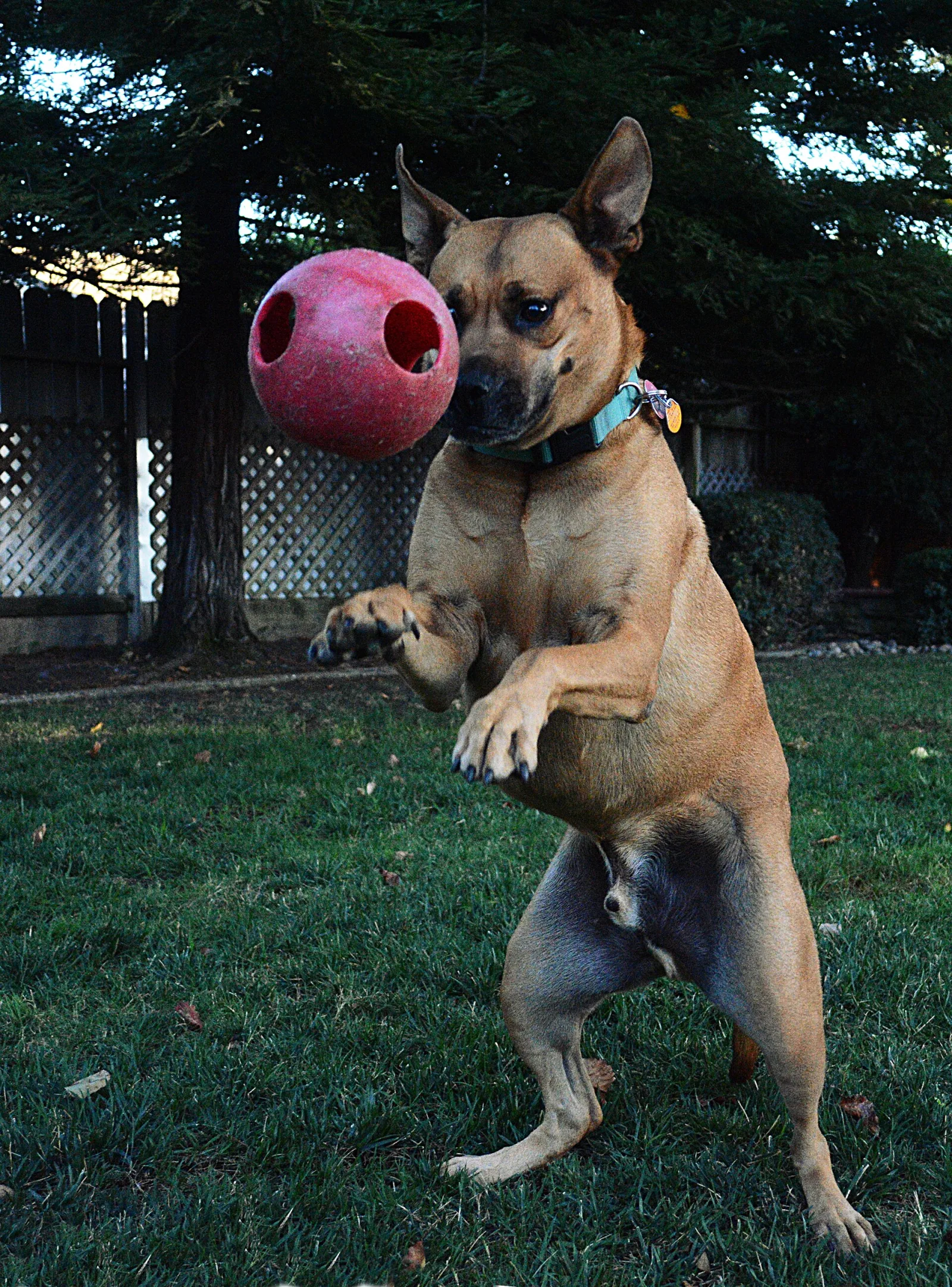
How much exercise does my dog need?
Exercise needs vary enormously by breed, but these ranges give a useful starting point:
| Dog type | Daily target | Notes |
|---|---|---|
| Working & herding (Border Collie, Husky, Malinois) | 90–180 minutes | Need both physical exercise and mental work; easily bored. |
| Sporting (Labrador, Pointer, Vizsla) | 60–90 minutes | Love fetch, swimming and running games. |
| Moderate companions (Beagle, Cocker Spaniel) | 45–60 minutes | Happy with a good walk plus play. |
| Toy breeds (Chihuahua, Maltese) | 30–60 minutes | Short sessions are fine; they tire quickly. |
| Brachycephalic (Bulldog, Pug, Frenchie) | 20–40 minutes | Short, gentle sessions only — heat and exertion are dangerous. |
| Senior dogs | 3 × 15 min walks | More frequent, shorter outings beat one long walk. |
These are guidelines, not rules. Watch your dog: if they're pacing, chewing furniture or barking at nothing, they likely need more. If they lag behind and flop down, they've had enough.
Puppies and joints: less is more
Puppies have growing bones and joints. A common rule of thumb is five minutes of structured exercise per month of age, once or twice a day. A three-month-old puppy, for example, gets about 15 minutes at a time. Too much running and jumping on young joints can cause long-term problems — let puppies set the pace and take plenty of rest.
Mental stimulation counts as exercise
This is the most underrated part of dog exercise. A dog's sense of smell is astonishingly powerful — up to 300 million scent receptors depending on the breed — and using it genuinely tires them out. For a clever dog, a 30-minute puzzle session can be as exhausting as an hour of walking.
Easy ways to add mental work:
- Sniffing walks — let your dog stop and smell as long as they like. The route matters less than the sniffing.
- Puzzle feeders — make them work for part of their meal.
- Scent games — hide treats around the house and say "find it!"
- Short training sessions — ten minutes of learning a new trick is genuinely tiring.
Mix activity types
Repeating the same walk on the same route every day gets boring for a smart dog. Vary it:
- Fetch, tug or chase games for physical burst energy.
- Swimming for gentle, joint-friendly exercise (easy on seniors).
- New routes and environments for novelty and smell.
- Training games to combine movement and thinking.
A mix keeps your dog engaged — and a dog that looks forward to exercise is easier to keep consistent with.
Stay consistent
Daily consistency beats an occasional marathon. A relaxed walk in the morning and a play session in the evening keeps most dogs content, and routine is calming in itself. If your schedule varies, aim for roughly the same amount of daily activity rather than cramming everything into the weekend — "weekend warrior" dogs get injured more and stay wound up all week.
Exercise safety
- Watch the weather. On hot days walk early morning or evening, and remember hot pavement can burn paws. Brachycephalic breeds overheat dangerously fast — keep sessions short and cool.
- Carry water on longer outings.
- Don't exercise right after a big meal — especially risky for large, deep-chested breeds (bloat risk).
- Adjust for age and health. Seniors need gentler, shorter sessions; dogs with joint or heart conditions need vet-approved plans.
- Watch for signs to stop — excessive panting, lameness, reluctance to move, or blue gums mean stop now.
Exercise isn't a chore to check off — it's the daily language of your bond. A dog who runs, sniffs and plays with you trusts you, and trust is what makes every other part of training easier.
Looking for more ways to keep your dog happy and healthy? Explore our training and behaviour guides, or give your dog a name they'll love with our dog name ideas.
Frequently asked questions
How much exercise does a dog need per day?
It depends on breed, age and health. Working and herding breeds may need 90 minutes or more; toy and brachycephalic breeds are fine with 20–40 minutes. A good general target for most family dogs is 45–60 minutes a day, split into two walks plus play.
Is a walk enough exercise for my dog?
For many dogs, yes — especially if the walk is interesting. But high-energy breeds need more: running, fetch, swimming or dog sports. Mental stimulation (sniffing, puzzles, training) matters just as much as the physical side.
How do I know if my dog is getting enough exercise?
Dogs that get enough exercise are relaxed and sleep well. Dogs that don't tend to be destructive, bark excessively, pace, or get hyper around visitors. If your dog is calm at home after activity, you're probably on the right track.
Can I over-exercise my dog?
Yes. Puppies can damage growing joints, seniors strain easily, and brachycephalic breeds overheat fast. Watch for excessive panting, lameness or reluctance — if your dog is slowing down, stop and let them rest.
What's the best exercise for an older dog?
Shorter, more frequent walks at a gentle pace, plus swimming if they enjoy it. Mental games like sniffing and puzzle toys are excellent for seniors — they exercise the mind without stressing joints.