Cats are famously good at grooming themselves, but they still benefit from a little help. A regular brushing routine cuts down on shedding and hairballs, prevents painful mats, and gives you a chance to spot lumps, ticks and skin problems before they become serious.
Grooming is also one of the easiest ways to bond with your cat — most cats genuinely enjoy a good brush once they learn it feels nice. The trick is keeping sessions short, calm and consistent.
Brushing by coat type
How often you brush depends almost entirely on coat length and thickness:
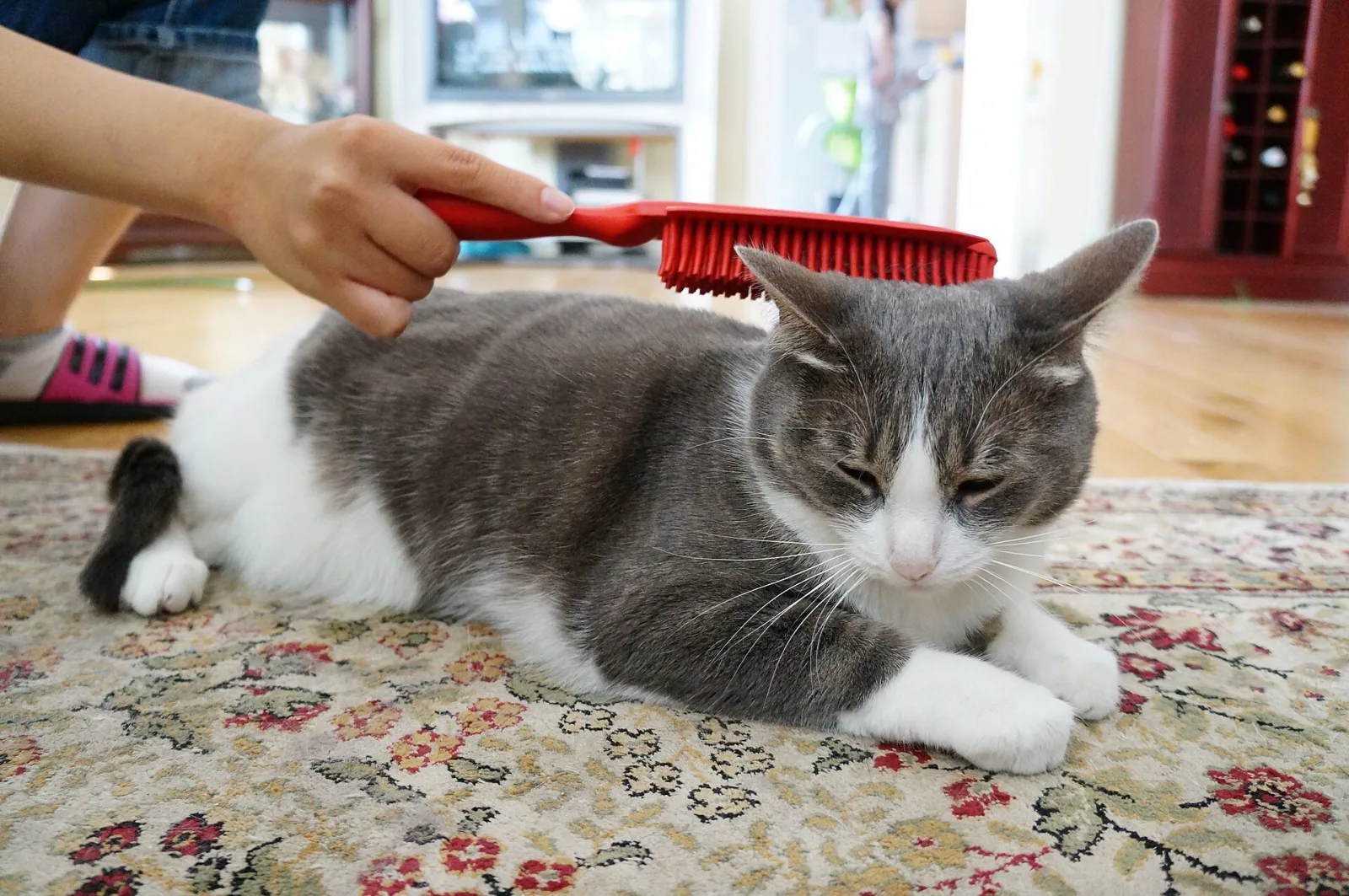
- Short-haired cats: once or twice a week is plenty. A rubber brush lifts loose fur and dead hair beautifully.
- Long-haired cats: aim for every day, or at least every other day. Their coats tangle fast and mats can form within days, especially around the belly, armpits and behind the ears.
- Senior or unwell cats: they groom themselves less, so they may need extra help even if their coat is short.
Brush in the direction the fur grows, working one small section at a time. Long-haired cats often prefer their belly and legs combed first, then the back, ending with the tail. Stop the moment your cat shows signs of stress — a short happy session beats a long tense one.
Nail trimming: start slow, never rush
Trim nails every two to three weeks. If your cat wears them down on scratching posts, you may get away with less, but older or indoor-only cats almost always need help.
Use a cat-specific nail trimmer and clip only the sharp white tip. The pink part, called the quick, contains nerves and blood vessels — cutting it is painful and bleeds. If your cat has clear or light nails you can see the quick; with dark nails, take tiny slices and stop early.
If you accidentally clip the quick, a styptic powder or stick stops the bleeding quickly. It's worth keeping one near your grooming kit.
Ears and eyes: gentle checks, not deep cleaning
Cats rarely need their ears cleaned. Healthy ears are pink and odour-free, and your cat handles their own ear hygiene. Check them once a week for wax, dirt or redness, and only wipe the outer ear flap with a damp cotton ball if you see visible dirt. Never push anything into the ear canal — cotton swabs cause more harm than good.
Eyes should be bright and clear. Wipe away any crust or discharge with a soft, damp cloth or cotton ball, using a fresh piece for each eye and wiping outward from the corner. A little tear staining is normal in flat-faced breeds, but cloudy eyes, heavy crusting or constant squinting warrant a vet visit.
Watch for these red flags while grooming
Your hands-on sessions are a built-in health check. Look out for:
- Bald patches, scabs, or crusty skin — could point to allergies, fleas or ringworm.
- Excessive licking or scratching of one spot.
- Black specks in the fur ("flea dirt") or actual fleas.
- Small rice-sized grains near the bottom — these can be a sign of tapeworm segments.
- Sudden changes in coat condition — dull, greasy or matted fur can signal illness or dental pain.
If you notice any of these, a veterinary check is the right next step.
Hairballs: brushing is the best prevention
Hairballs happen when your cat swallows loose fur while grooming. The simplest fix is removing that loose fur yourself. If your cat still coughs up hairballs regularly despite daily brushing, ask your vet about hairball-friendly food or supplements.
When to get help from a professional
Some cats simply won't tolerate home grooming, especially nail trims. If your cat fights the process, a professional groomer or vet tech can handle it safely — never force it and risk hurting your cat or yourself. Severe mats should also be removed by a professional, since scissors close to the skin can cause serious injury.
Looking for more feline care tips? Browse our other care and grooming guides, or find the perfect name with our cat name ideas.
Frequently asked questions
How often should I groom my cat?
Short-haired cats need a brush once or twice a week. Long-haired cats need daily or every-other-day brushing. Nail trims are typically every two to three weeks, with ear and eye checks weekly.
Does my cat need a bath?
Most cats never need a full bath — they handle their own cleaning and bathing is stressful for them. Baths are only necessary for cats with skin conditions, very heavy dirt, or long-haired cats that have soiled themselves. Use cat-safe shampoo and lukewarm water if you must.
Why does my cat hate being brushed?
Many cats dislike the feel of a brush, especially on sensitive spots like the belly and tail. Start with short sessions on the back where they're comfortable, use a soft brush, pair grooming with treats, and let your cat leave whenever they choose.
How do I cut my cat's nails if they won't let me?
Don't force it. Get your cat used to having paws handled a few seconds at a time, reward each touch with a treat, and only trim one or two nails per session. If it's still impossible, ask your vet or a groomer to demonstrate or handle it for you.
Should I clean my cat's ears?
Only if they look visibly dirty, and even then wipe just the outer flap with a damp cotton ball. Never insert anything into the ear canal. If ears look red, smell bad, or your cat is shaking their head, see the vet — that's likely an infection, not a grooming issue.